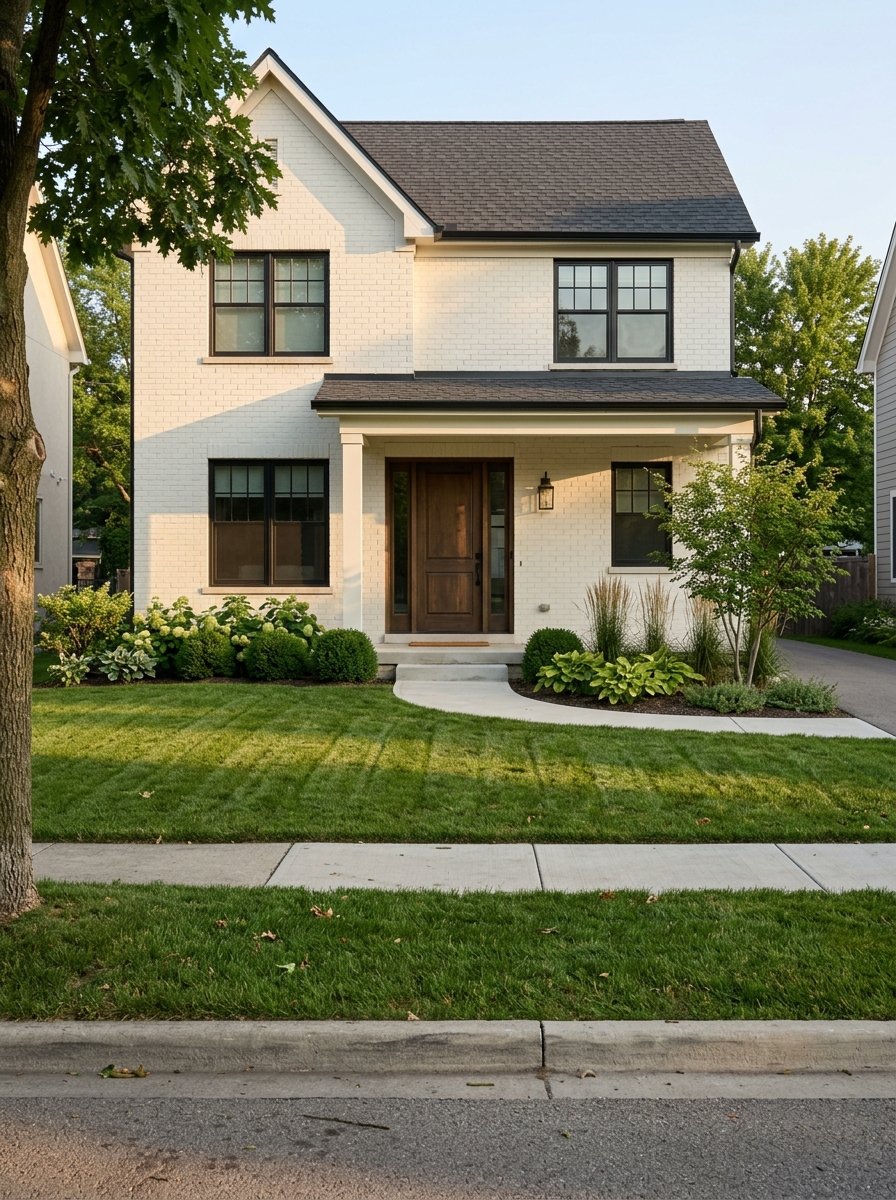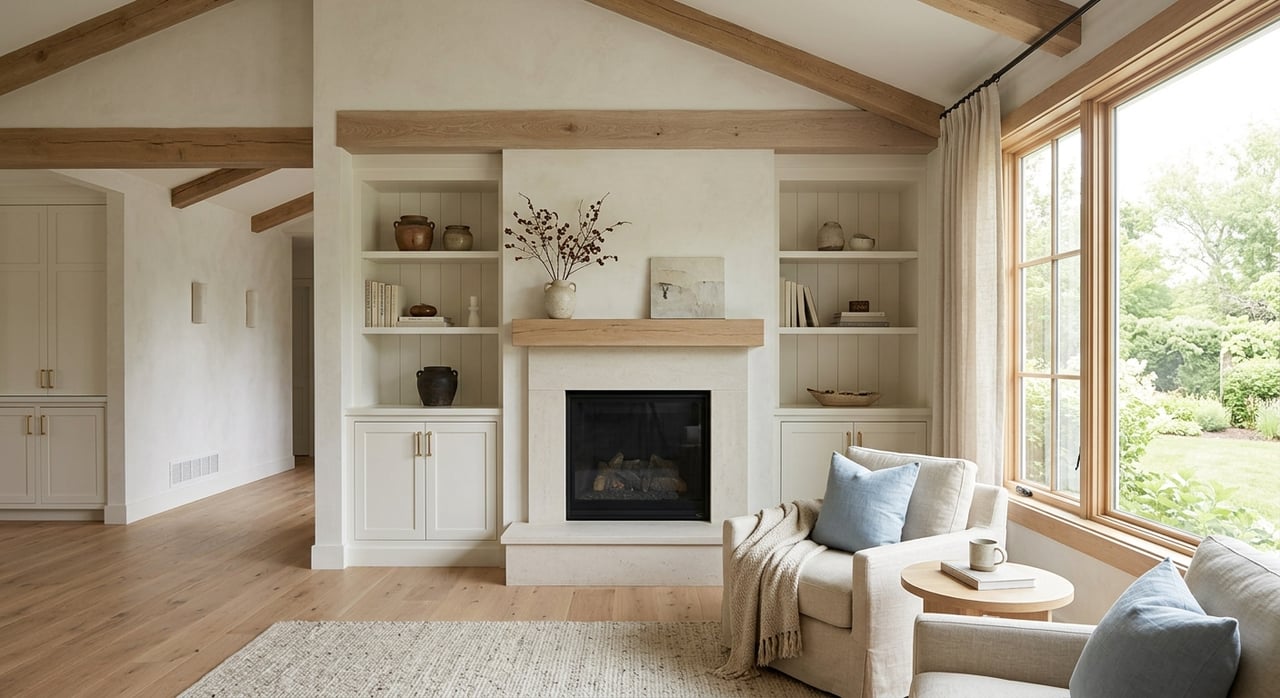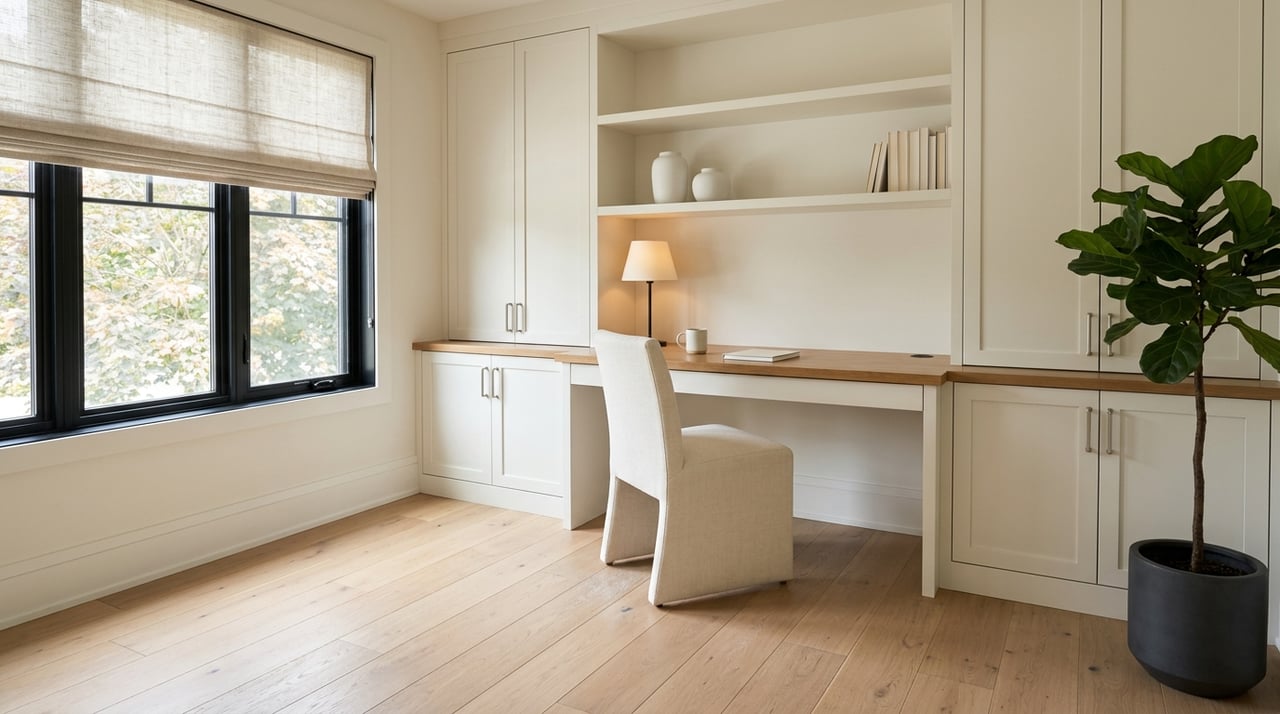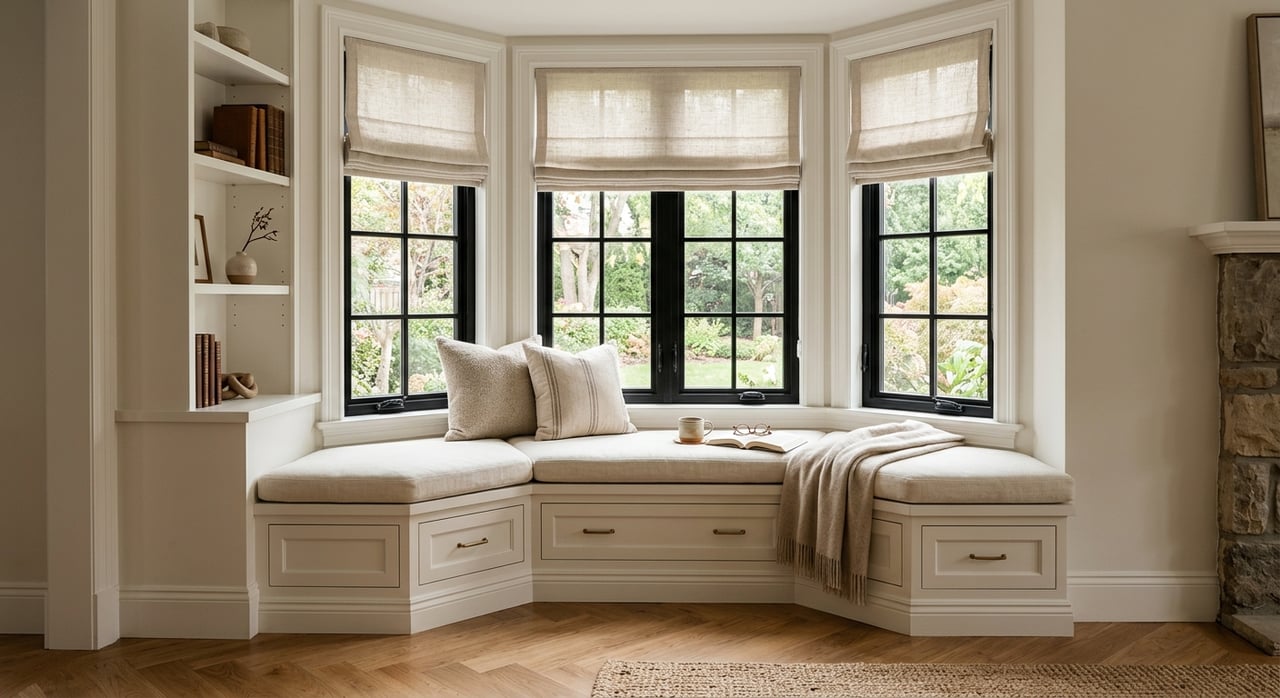
Wondering whether you should remodel your current home or make a move in Glen Ellyn? You are not alone. Many homeowners love their location but feel stuck between investing in the house they have and searching for one that fits better. The good news is that you can make this decision with a clear plan, local market context, and realistic expectations. Let’s dive in.
Glen Ellyn Market Reality
If you are thinking about moving, the first thing to understand is the current Glen Ellyn market. Multiple public market snapshots point to the same basic story: inventory is limited, buyer demand is steady, and well-priced homes can still move quickly.
As of late spring 2026, Zillow reported 77 homes for sale, a median days-to-pending of 7 days, and a median sale-to-list ratio of 1.014. Realtor.com reported 91 homes for sale, a median listing price of $549,000, and a median 28 days on market in March 2026, while labeling Glen Ellyn a seller’s market. Redfin reported that homes received about 5 offers on average and sold in around 42 days over the three months ending May 2026.
The exact numbers vary by source and timing, but the pattern is consistent. Glen Ellyn is not a market with a lot of extra choices or much room to wait around. If you sell, you may find a replacement home, but the search may take patience, flexibility, and a realistic budget.
Price trends matter too. Zillow’s home value index was up 6.8% year over year, and Redfin’s 3-month median sale price was up 16.8%. That tells you home values have remained firm, which can help sellers, but it can also make moving into your next home more expensive.
When Remodeling Makes More Sense
Remodeling often makes sense when your location still works and your home is close to meeting your needs. If your main issues are layout, storage, finishes, or day-to-day function, improving what you already own may be the simpler long-term move.
This is especially true in a market like Glen Ellyn, where inventory is tight. If you like your block, your commute, and your general footprint, it may be worth asking whether a smart renovation could solve the problem without forcing you into a competitive home search.
National remodeling data also shows that many homeowners renovate for livability, not just resale. In NAR’s 2025 remodeling report, 28% of owners said better functionality and livability was the most important result, and 64% said remodeling gave them a greater desire to stay in the home.
That matters because not every project has to be about maximizing profit. Sometimes the best answer is creating a home that works better for your life over the next several years.
Good Reasons to Remodel
A remodel may be worth a closer look if:
- You like your Glen Ellyn location
- Your home needs better flow, storage, or updated finishes
- The changes are limited to a kitchen, bathroom, basement, or other defined area
- You want to avoid the stress of selling and buying in a tight market
- Your current home already meets most of your long-term needs
What Glen Ellyn Remodeling Really Involves
In Glen Ellyn, remodeling is not just a design and budget decision. It is also a permit and inspection decision. The Village’s Building Division states that building permits, inspections, and code compliance apply to construction work, and permit fees depend on project type and construction cost.
The Village’s permit process also shows that remodels, additions, and related work move through the online permit system and may require plan review by an Illinois-licensed design professional. That means even a promising project can come with paperwork, timing requirements, and added planning steps.
This does not mean remodeling is a bad idea. It just means you should go into it with your eyes open. Administrative steps, review timelines, and inspections are part of the true scope of the project.
Common Budget Benchmarks
While actual costs vary by home, scope, and contractor, national planning ranges can help you frame the conversation:
- Kitchen renovation: median spend of about $60,000
- Bathroom remodel: average around $25,000, with some projects starting much lower
- Basement finishing: average about $32,000, with a very wide range depending on scope
- Large primary suite addition: can become a major investment, with luxury-level additions far higher
These are planning anchors, not Glen Ellyn contractor quotes. Still, they can help you decide whether the issue you are trying to solve fits a manageable remodel or points more toward moving.
Plan for Time and Disruption
Remodeling can improve your home, but it rarely feels friction-free while it is happening. According to NAR’s remodeling survey, only 37% of projects finished on the expected timeline, while 31% took longer and 31% took less time.
Financing also matters. The same survey found that 54% of owners used a home equity loan or line of credit to pay for the work. If you are considering a remodel, it is smart to budget for both cost and timing cushion.
Which Improvements Tend to Pay Back
If resale value is part of your decision, smaller and more visible updates often perform better than major footprint changes. NAR’s 2025 report found the strongest cost recovery in projects like a new steel front door, closet renovation, new fiberglass front door, and window replacement.
Basement conversion to living area also performed well at 71% cost recovery. Kitchen projects landed at 60% cost recovery for both a complete kitchen renovation and a minor kitchen upgrade. Bathroom renovation was lower at 50%, while a new primary suite came in at 54%.
The takeaway is simple: bigger is not always better. If you are remodeling partly to protect resale, targeted updates may give you a better balance of enjoyment and return than a large addition.
Updates Sellers Often Consider
For homeowners thinking about selling instead of staying, NAR found that real estate professionals most often recommend:
- Painting the entire home
- Painting one room
- New roofing
The same report said buyers have shown increased demand for kitchen upgrades, new roofing, and bathroom renovation over the last two years. It also found that 46% of buyers are less willing to compromise on a home’s condition.
In a market like Glen Ellyn, that can make strategic pre-sale updates especially important. You do not always need a full remodel, but condition and presentation still matter.
When Moving Makes More Sense
Moving often makes more sense when the changes you need are too large, too invasive, or too expensive to justify. If your home would need a major addition or a full multi-room reconfiguration, searching for a better-fit floor plan may be the cleaner option.
This can be especially true if you need a substantially different layout, another bathroom, a much larger primary suite, or a lower-maintenance setup. At a certain point, the cost and disruption of construction may outweigh the benefits of staying put.
In Glen Ellyn, that decision is not always easy because the replacement-home search may be competitive. Still, if your current house is fundamentally the wrong fit, moving may save you from pouring time and money into a compromise.
Signs It May Be Time to Move
You may want to explore moving if:
- Your home needs a major addition to work for your lifestyle
- The floor plan would require extensive reconfiguration
- You want a different maintenance level
- The cost of renovation is approaching the cost of buying a better-fit home
- You are ready for a broader lifestyle change, not just cosmetic updates
How to Compare Remodeling vs Moving
The best decision usually comes from comparing real numbers, not gut feeling alone. In Glen Ellyn, the smartest next step is to line up the likely costs and tradeoffs on both sides.
Start by gathering contractor bids for the work you are considering. Then compare those estimates with a realistic sale-price range for your current home and a likely budget for the type of replacement home you would want to buy.
Once you look at those side by side, the answer often becomes clearer. You may find that a focused remodel gives you what you need for less money and less risk. Or you may discover that moving is the better long-term fit, even in a tight market.
A Simple Decision Checklist
Ask yourself:
- Does my current location still work well for my daily life?
- Is my main problem cosmetic, functional, or structural?
- Would a defined remodel solve the issue, or do I need a fundamentally different home?
- What would permits, inspections, and construction time look like?
- If I sell, what is my likely purchase budget in today’s Glen Ellyn market?
- Which option gives me the best mix of comfort, cost control, and long-term value?
There is no one-size-fits-all answer. But with local market knowledge, realistic remodel planning, and a clear view of your next-home options, you can make a confident call.
If you want help thinking through both paths, a local agent with market insight and a construction-informed perspective can make the comparison much easier. If you are weighing whether to renovate, sell, or do both, connect with Joe Soto for practical, low-pressure guidance.
FAQs
Should you remodel before selling a home in Glen Ellyn?
- It depends on the home and the scope of work, but smaller visible updates like paint, roofing, or select kitchen and bathroom improvements may make more sense than a large remodel before listing.
Is Glen Ellyn a strong market for selling your home?
- Current market snapshots point to limited inventory, steady demand, and relatively quick movement for well-priced homes, which supports seller confidence.
Do Glen Ellyn remodeling projects need permits?
- Yes, the Village of Glen Ellyn states that building permits, inspections, and code compliance apply to construction work, with fees based on project type and construction cost.
What home updates tend to have better resale impact?
- NAR’s 2025 data shows stronger cost recovery for modest, high-visibility projects such as front doors, closet renovations, window replacement, and basement conversion.
How do you decide between remodeling and moving in Glen Ellyn?
- Compare contractor bids, likely sale-price scenarios for your current home, and the budget needed for a replacement home, then weigh cost, disruption, timing, and long-term fit.