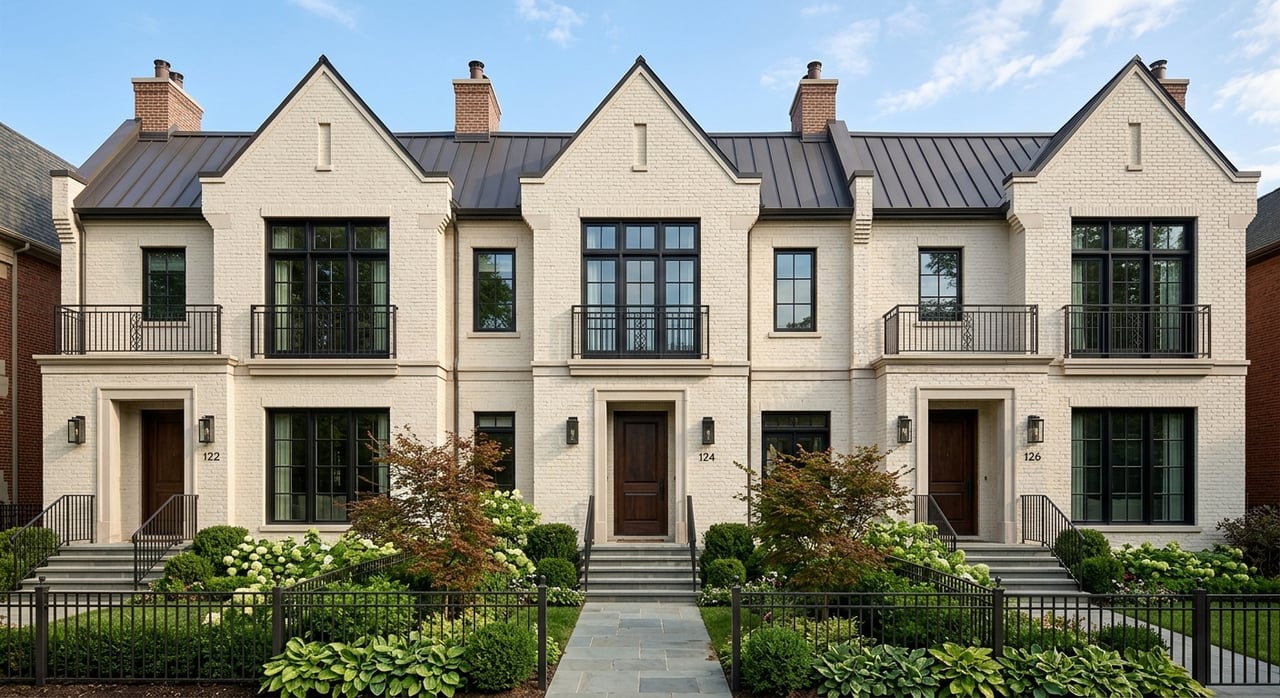
Wondering if a condo or townhome in Geneva could be the right fit for your next move? If you want lower exterior maintenance, a more manageable footprint, or a way into Geneva’s housing market without buying a detached home, attached living may be worth a closer look. The key is understanding how these homes differ, what the monthly costs really include, and what to review before you buy. Let’s dive in.
Why attached living stands out in Geneva
Geneva is a largely owner-occupied community, with an 85.1% owner-occupied housing unit rate reported by the Census Bureau. The city also shows a median owner-occupied home value of $441,400, which helps explain why condos and townhomes often draw attention from buyers looking for a different price point or a simpler lifestyle.
Attached housing also fits the needs of many Geneva households. The city’s projected median age is 44.4, and the average household size is 2.47. For smaller households, downsizers, and buyers who want less day-to-day upkeep, a condo or townhome can offer a practical middle ground.
Geneva’s planning documents also show that attached housing is part of the city’s long-term growth conversation. Downtown and station-area planning, along with the Fox River TIF district, includes commercial and multi-family residential areas that support a mix of housing options in and around key parts of the community.
Geneva condos and townhomes today
Current Geneva condo inventory appears tight. As of mid-May 2026, the local condo snapshot shows two active listings around $398,000 and $400,000, with many options clustering around 2 bedrooms, 2 bathrooms, and roughly 1,200 to 1,300 square feet.
Townhome inventory is broader and gives you more variety in both size and price. Current Geneva townhomes range from about $305,000 for a 2-bedroom, 2-bath home around 1,466 square feet to roughly $480,000 to $545,000 for 3-bedroom and 4-bedroom options closer to 2,000 to 2,300 square feet.
That means attached housing in Geneva is not one-size-fits-all. Some homes may work as a more accessible entry point compared with detached houses, while newer or larger townhomes can still land near the city’s broader median sale price of $480,000.
Condo vs. townhome in Illinois
In Geneva, the exterior style does not tell you the full story. In Illinois, what matters most is the legal structure of the property and the association that governs it.
According to the Illinois Department of Financial and Professional Regulation, most homeowners associations are governed by either the Illinois Condominium Property Act or the Illinois Common Interest Community Association Act. A condominium owner owns the unit and shares ownership of the common elements, while a non-condo common-interest owner typically owns the land and the home but still pays assessments for shared amenities or common areas.
This matters because two attached homes that look similar from the outside can come with very different ownership and maintenance structures. Before you buy, you want to know whether the home is legally a condo or a common-interest community townhome.
What Geneva condos can offer
Condos in Geneva can appeal to buyers who want simplicity and shared amenities. One local example in Stone Circle includes 2 bedrooms, 2 bathrooms, 1,153 square feet, a private balcony, heated garage parking, clubhouse amenities, and a monthly HOA fee of $377.
Some condo communities are also designed with downsizers in mind. A current example at The Crossings is described as a 55+ community and includes a clubhouse, library, private balcony, heated garage parking, storage, and access to walking and biking paths, with Delnor Hospital, Geneva Commons, and Metra nearby.
For you, the appeal may be less about having the most square footage and more about having the right kind of convenience. If you want easier upkeep, shared amenities, and a more lock-and-leave lifestyle, a condo may check those boxes.
What Geneva townhomes can offer
Townhomes in Geneva usually provide more living space and more layout flexibility. Current examples include homes with 3 bedrooms, 2.5 baths, full basements, 2-car garages, and in some cases a first-floor primary bedroom option.
That can make a townhome a strong match if you want lower-maintenance living without giving up too much space. You may still have room for guests, hobbies, storage, or a home office while avoiding some of the exterior work that often comes with a detached house.
Location can also be part of the draw. Current Geneva townhome communities include options near Metra, downtown Geneva, Geneva Commons, and Delnor Hospital, which can be helpful if convenience to daily destinations is high on your list.
Who may benefit most
First-time buyers
If you want to buy in Geneva but detached homes feel out of reach, an attached home may offer another path in. With current townhome pricing starting around $305,000, some options may come in below the broader city median sale price, even though condos and newer townhomes can still be a significant investment.
The big advantage is not always a bargain price. Often, it is the chance to buy into Geneva with a property type that better matches your budget, maintenance preferences, and lifestyle.
Downsizers
For downsizers, the value is often about ease and function. Geneva examples include 55+ condo living, heated garage parking, storage, clubhouse amenities, and townhomes with first-floor primary-suite options and basements that can help absorb the transition from a larger home.
If you want to simplify without feeling cramped, this segment of the market is worth a serious look. The right fit depends on how much space you still want, how much maintenance you want to shed, and what kind of storage you need.
Commuters and lock-and-leave buyers
If your priority is convenience, attached living may line up well with your routine. Geneva’s station-area planning and several current communities near Metra, shopping, and medical services support the appeal of homes that are easier to maintain and well placed for day-to-day life.
That does not mean every property offers the same access or feel. It does mean that location, HOA structure, and community rules should all be part of your decision.
What HOA dues may cover
One of the biggest questions buyers ask is simple: what do the dues actually cover? In Illinois common-interest communities, common expenses can include maintenance, improvements, insurance premiums, and real estate taxes for common areas.
The exact answer depends on the association. That is why you should review the budget, the declaration, the bylaws, and the rules rather than relying only on listing remarks or assumptions.
It is also important to budget correctly. Property taxes and association dues are separate line items, so you want to look at the full monthly cost of ownership, not just the mortgage payment.
Why association documents matter
When you buy an attached home, you are not just buying the unit itself. You are also stepping into a legal and financial relationship with the association.
The Illinois Department of Financial and Professional Regulation says the declaration creates and defines the association and commonly includes use restrictions. Rules and regulations spell out the community’s do’s and don’ts, which can affect things like everyday use, maintenance expectations, and other community standards.
That is why due diligence matters so much in condo and townhome purchases. A home can look perfect in photos but still come with rules or financial issues that change the picture.
What to review before closing
Before closing on a Geneva condo resale, Illinois law requires a package of key association information. This can include:
- The declaration
- Bylaws
- Rules and regulations
- Liens and unpaid assessments
- Anticipated capital expenditures for the current or next two fiscal years
- Reserve-fund status
- Financial statements
- Pending lawsuits
- Insurance coverage
- Association contact information
This is where you get a more complete view of the community. You can learn not just what the home looks like today, but also how the association is run and whether there may be future costs on the horizon.
Questions to ask before you buy
If you are comparing Geneva condos or townhomes, here are a few smart questions to ask:
- Is this property legally a condo or a common-interest community townhome?
- What do the monthly dues cover?
- How much does the association have in reserves?
- Are there any anticipated capital projects?
- Is there a pending or possible special assessment?
- What restrictions are in the declaration, bylaws, and rules?
- Are there any unpaid assessments or legal issues involving the association?
These questions can help you compare homes more clearly. They can also help you avoid surprises after closing.
How to decide if attached living fits you
The best choice usually comes down to your priorities. If you want shared amenities, a simpler layout, and a more compact footprint, a condo may be a strong fit. If you want more space, a garage, a basement, or a layout that feels closer to a detached home, a townhome may make more sense.
In Geneva, attached living can serve several goals at once. It can help first-time buyers enter a high-value market, give downsizers a more manageable setup, and offer busy owners a lifestyle with less exterior maintenance.
What matters most is looking past the headline price. You want to understand the legal structure, monthly carrying costs, association health, and how the home supports the way you actually live.
If you want help comparing condos and townhomes in Geneva, understanding HOA documents, or narrowing down the right fit for your next move, Joe Soto can help you make a confident, informed decision.
FAQs
What is the difference between a condo and a townhome in Geneva, Illinois?
- In Illinois, the main difference is often the legal structure, not just the appearance. A condo owner typically owns the unit and shares common elements, while a common-interest community townhome owner usually owns the home and land but still pays assessments for shared expenses.
Are townhomes in Geneva more affordable than detached homes?
- Some can be. Current Geneva townhome snapshots start around $305,000, which may be lower than many detached-home options, but larger or newer townhomes can still reach roughly $480,000 to $545,000.
What do HOA dues cover in Geneva condos and townhomes?
- Coverage varies by association, but common expenses can include maintenance, improvements, insurance premiums, and real estate taxes for common areas. You should always review the association documents and budget for the specific property.
What documents should buyers review for a Geneva condo or townhome?
- Buyers should review the declaration, bylaws, rules and regulations, financial statements, reserve information, unpaid assessments, anticipated capital expenditures, insurance details, pending suits, and other association disclosures provided before closing.
Are condos in Geneva a good option for downsizers?
- They can be, especially if you want lower-maintenance living, shared amenities, parking, storage, and a manageable floor plan. Local examples also include a 55+ community with clubhouse features and nearby everyday destinations.
Is attached living in Geneva good for commuters?
- It may be a strong fit if convenience is important to you. Some current Geneva townhome and condo communities are located near Metra, downtown Geneva, Geneva Commons, and Delnor Hospital.